Toyota Reveals Ninth-Generation Hilux with Hybrid, Electric, and Hydrogen Power Options



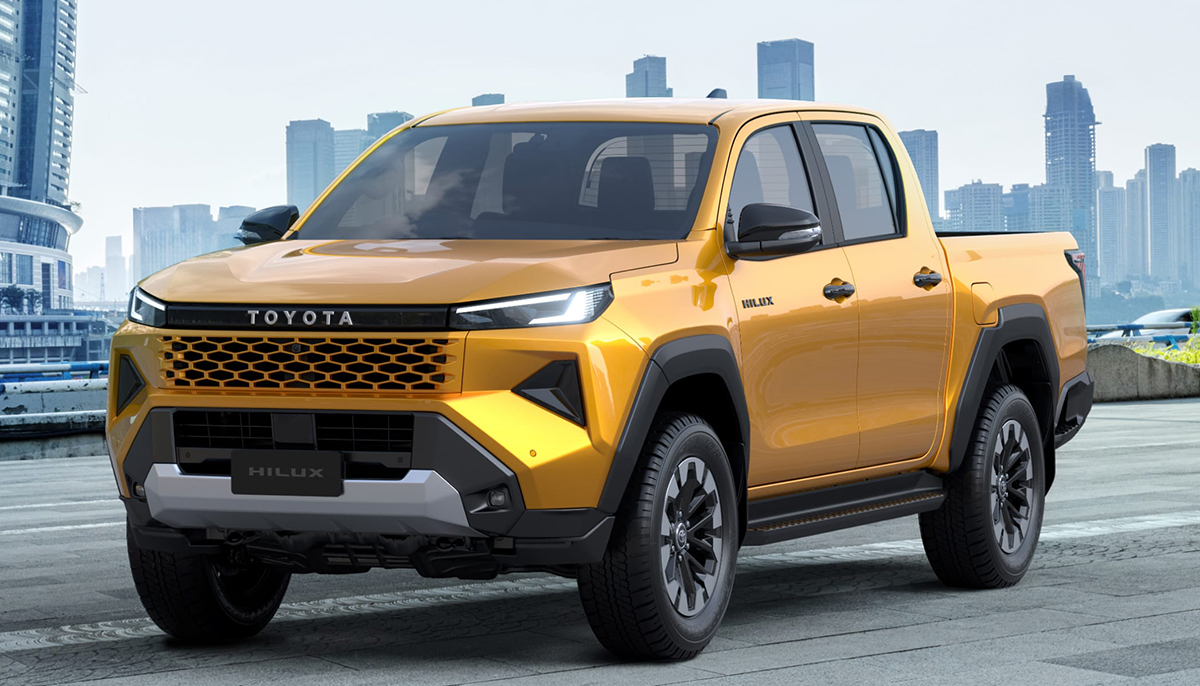
Toyota has officially unveiled the ninth-generation Hilux, marking one of the most comprehensive updates to the pickup in years.
The all-new model combines a revamped design, new technology, and multiple electrified powertrains—including hybrid, battery-electric (BEV), and a future hydrogen fuel-cell variant.

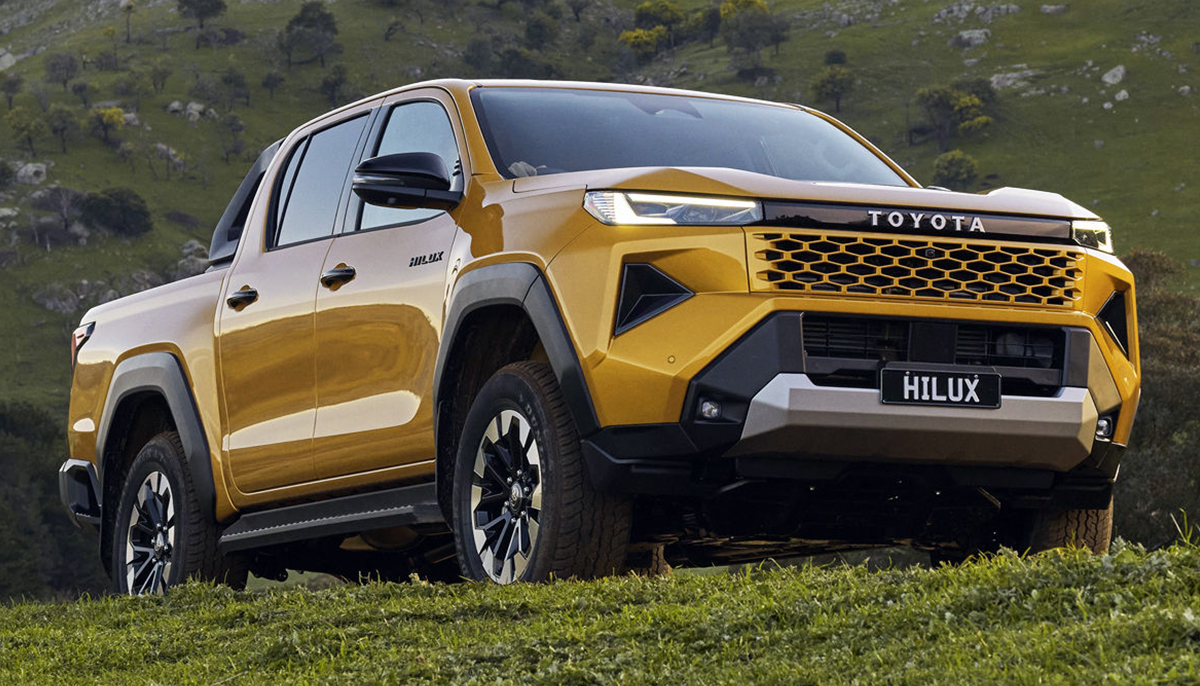
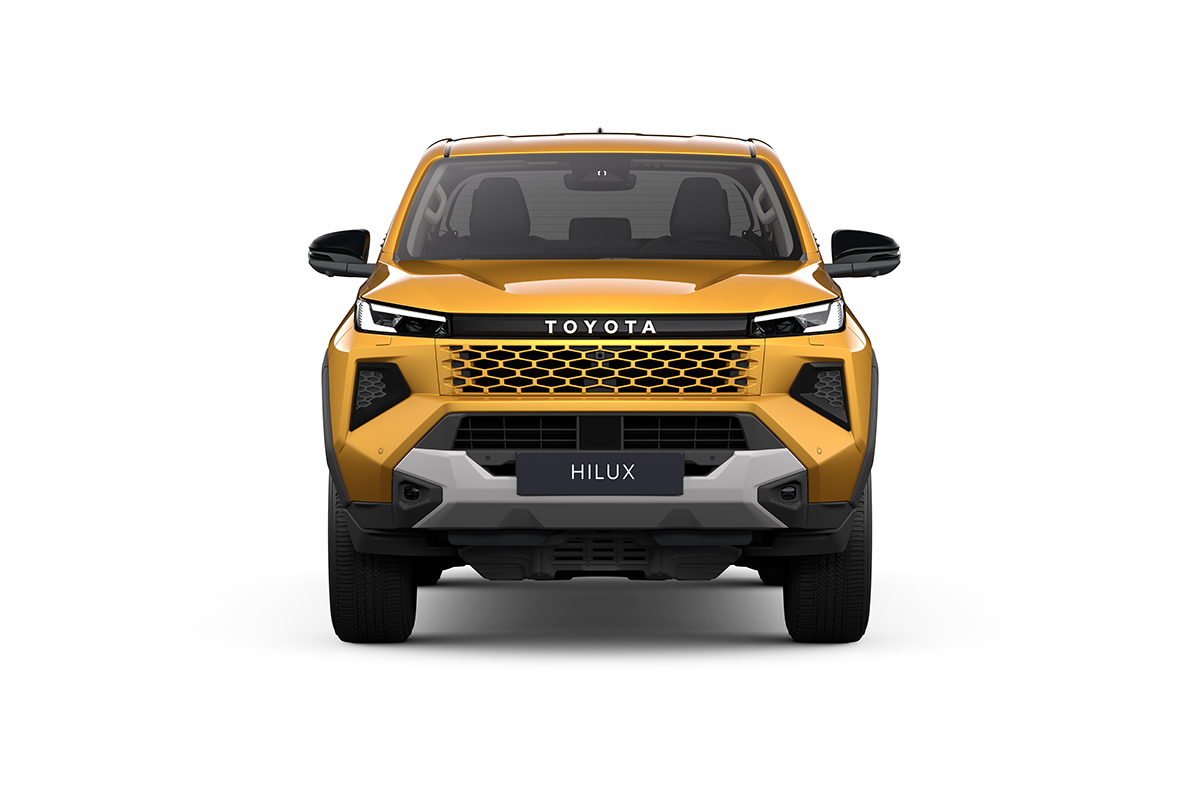
Developed under the “Tough and Agile” design theme, the new Hilux carries a more assertive stance with sharper proportions and a muscular front end.
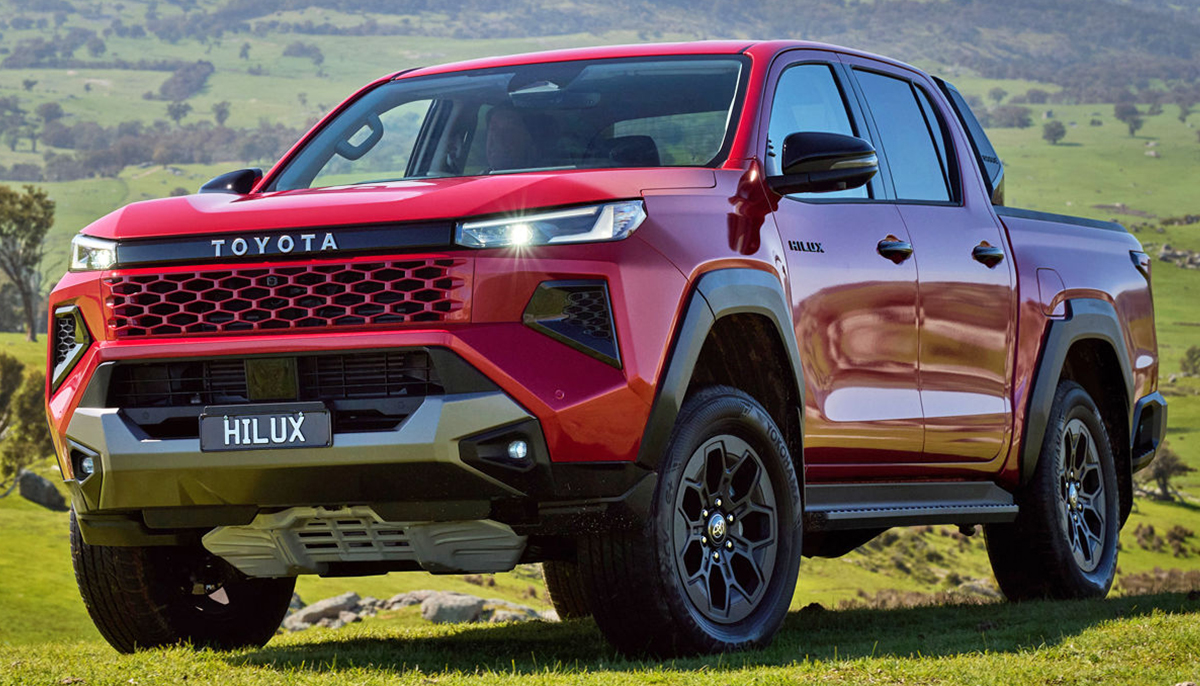

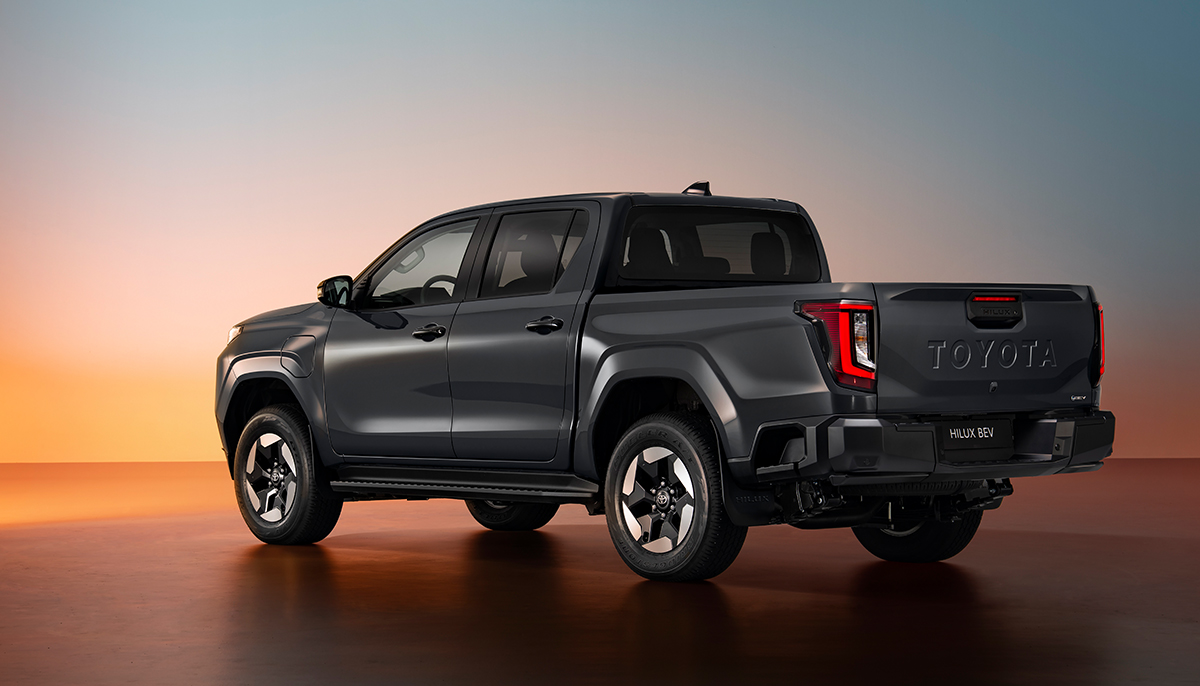
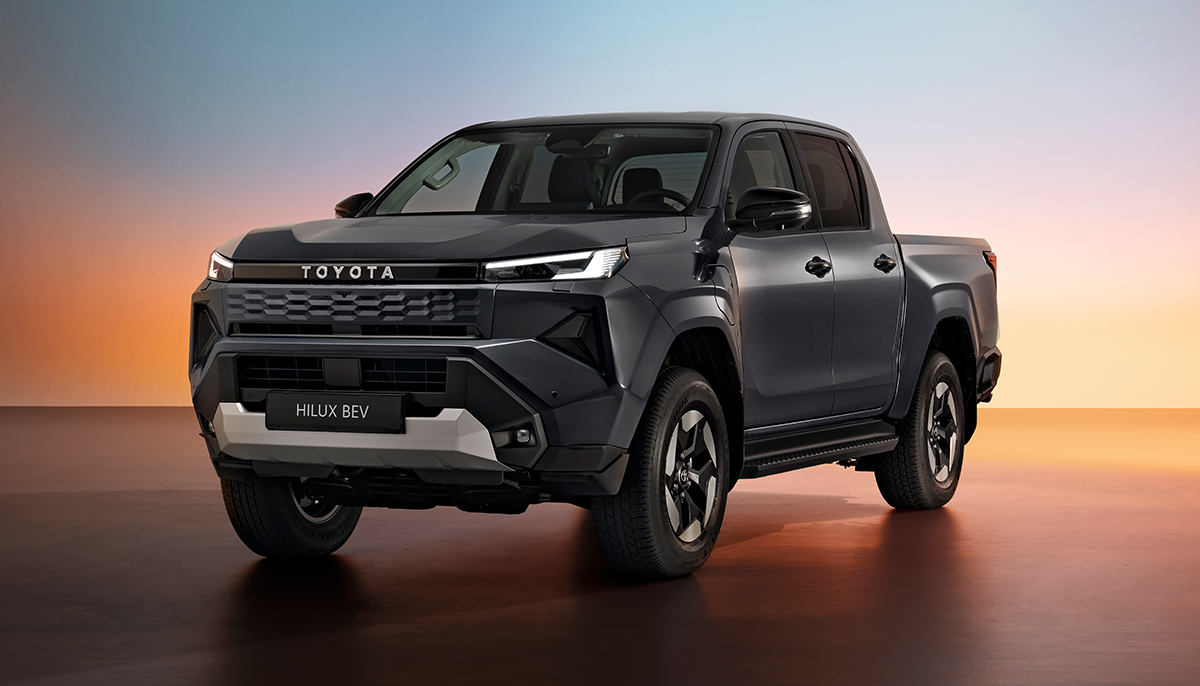
The redesigned fascia features slimmer LED headlights connected by a central bar embossed with the TOYOTA name, while the BEV version gets a closed-off grille and aerodynamic alloy wheels. Practicality has also improved with a new rear deck step and reworked side steps for easier access.
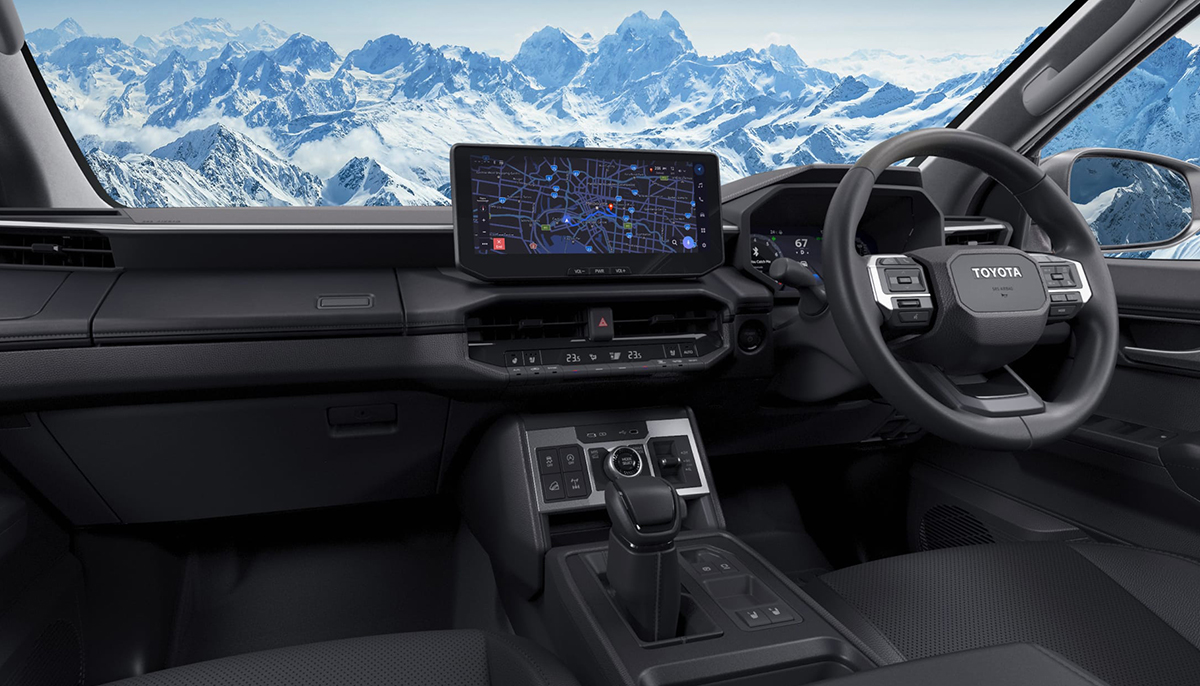
Inside, the new Hilux takes inspiration from the latest Land Cruiser, focusing on quality and functionality. The cabin features a horizontal dashboard layout, a 12.3-inch digital driver display, and a 12.3-inch central touchscreen. It supports wireless Apple CarPlay, Android Auto, and connected services through the MyToyota app, which allows remote access to vehicle data.
The big mechanical change is under the hood. The Hilux BEV—Toyota’s first-ever fully electric version—uses a 59.2 kWh lithium-ion battery and dual eAxles (205 Nm front / 268.6 Nm rear), enabling full-time all-wheel drive. It offers a 240 km WLTP range, 715 kg payload, and 1,600 kg towing capacity, with the same 700 mm wading depth as the current diesel-powered model.
Alongside it, the Hilux Hybrid 48V pairs the familiar 2.8-litre diesel engine with a 48V mild-hybrid system, improving fuel efficiency and throttle response. The hybrid system’s battery sits under the rear seats, preserving cabin space. Payload capacity remains at up to one tonne, and braked towing capacity reaches 3,500 kg.
For select markets, Toyota will continue to offer 2.8-litre diesel and 2.7-litre petrol engines. Both hybrid and ICE models ride on Toyota’s IMV body-on-frame platform, known for its durability and off-road capability. The Multi-Terrain Select system—shared across all variants—automatically adjusts torque and braking to suit different surfaces, enhancing control on challenging terrain.
Toyota has also confirmed plans for a hydrogen fuel-cell Hilux, scheduled for production in 2028. This variant will extend the brand’s hydrogen development program, positioning the Hilux as a key part of Toyota’s broader zero-emission strategy.
Given the Hilux’s popularity in Nepal for its reliability and rugged capability, the ninth-generation model is expected to attract significant interest once launched. While Toyota has not announced a local timeline, its mix of diesel and eventually electric powertrains aligns with the growing demand for both performance and efficiency in Nepal’s varied terrain.



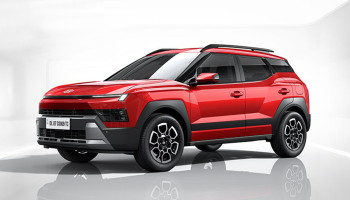
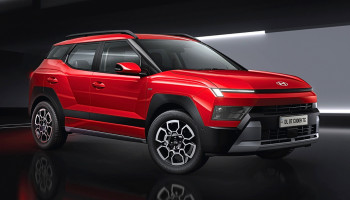
Hyundai Bayon Launched in India; Nepal Launch Expected in Q1 2027
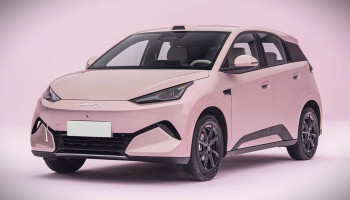
Second-Gen BYD Atto 1 Pre-Orders Open in China